Alberta and Japanese Students: Read the following posts and comment on them. The name used for your comment should put your class code followed by a "-" then your first name and last initial (Anonymous comments may or may not be posted and if you are being marked, you will not get a mark)
Monday, May 31, 2010

Friday, May 28, 2010
Sofukuji Temple
Site in Nagasaki. This temple was built during the early Tokugawa Period by Chinese residents of Nagasaki, and houses two National Treasures and several Important Cultural Properties. It is distinct in that the architecture is Chinese rather than Japanese, demonstrating some rare foreign influence in Japan during its period of isolation, especially considering its designation as a National Treasure.
Memorial to the Martyrdom of the 26 Saints of Japan

Site in Nagasaki. This memorial is dedicated to twenty-six Christians, twenty Japanese and six missionaries, who were arrested in Kyoto in 1597 under the order of Toyotomi Hideyoshi for preaching Christianity and forced to walk nearly 600 kilometers to Nagasaki, where they were executed to serve as an example to the Christians there. This memorial also has a museum with several exhibits of the history of Christianity in Japan, including the Tokugawa Bakufu's harsh methods of interrogating and torturing Christians and how the covert Christians remained hidden. This memorial and museum demonstrate the reaction of both the Bakufu and commoners to Western ideas, Christianity in particular, and the spread and repression of these ideas before and during isolation.
Edo-Tokyo Museum (江戸東京博物館)
 |
| Edo-Tokyo Museum Building |
 |
| An exhibit in the Edo-Tokyo Museum |
This museum in the Ryogoku district of Tokyo was built to preserve the historical heritage of the city of Tokyo. It includes exhibits such as a replica of the original Nihonbashi (see here for more information). One section of the museum contains exhibits that show the lifestyle, culture, politics, etc. of Edo during the Tokugawa Period, and another section shows the changes that occurred as Edo became Tokyo, including Western influence, World War II, and reconstruction after the war. A third section has a special exhibition that changes several times a year, each time having a different theme.
 |
| Edo-Tokyo Museum Library |
 |
| Audio-visual hall |
Completing the museum experience, there are two souvenir shops, lounging areas ideal for enjoying a bagged lunch, a Japanese tea room, and two cafe/restaurants. For details regarding these restaurants, including hours of operation and the types of food served, please click here.
You can view the English version of the official museum website here for information about current exhibitions, hours, and admission fees.
Urakami Cathedral
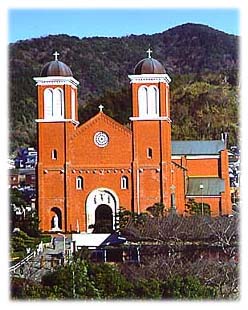
Site in Nagasaki. This Roman Catholic cathedral was built during the Meiji era, after the overthrowing of the Tokugawa shogunate, under whose rule Christianity and other foreign religions were outlawed. It was built by former "kakure Christians" (covert Christians) who wanted a place of worship now that the oppression of the Tokugawa Shogunate was gone, and was built on a location where the Tokugawa Shogunate would interrogate suspected Christians. It was destroyed by the atomic bomb in 1945, but has been rebuilt since. The original bell tower remains on the grounds, destroyed by the bomb, and the rest of the remains of the original building are on display in Nagasaki's Peace Park and Atomic Bomb Museum. This cathedral was built to commemorate the suffering of Christians during the Tokugawa period, and demonstrates the radical change during the Meiji Restoration to religious freedom and acceptance of Western ideas.
Thursday, May 27, 2010
Nagasaki City
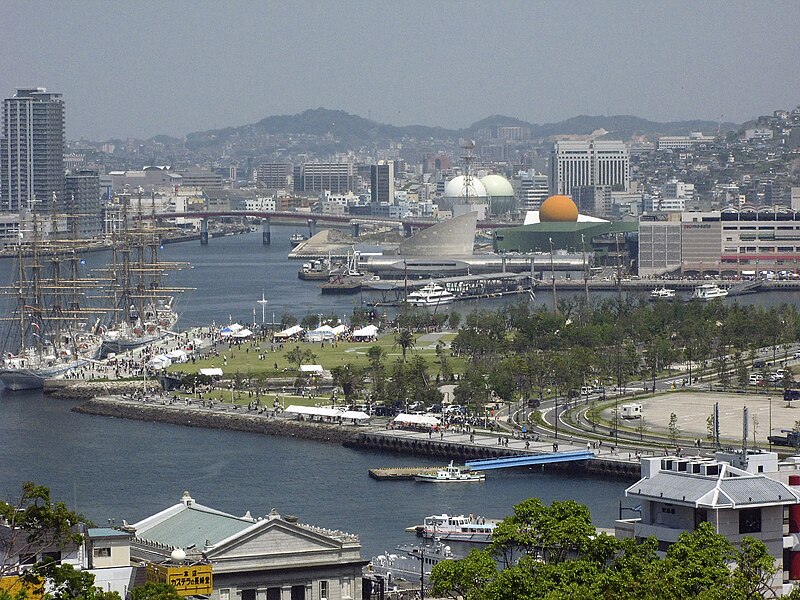
Nagasaki is a major city on Kyushu Island, on the very Western end of Japan, with a population of 446, 000. While many know of it best as the second city to be subject to nuclear attack by the Allies, its historical significance far precedes World War II. Beginning in the 16th Century, the city was a major trading location with Europe, particularly with the Portuguese and the Dutch, and remained so under the isolated period, though strictly regulated. The City of Nagasaki demonstrates early European influence on Japan.
Sites in Nagasaki covered by this blog:
Nikko City

Nikko, which literally means "sunlight," is a small city of 92 thousand people in Tochigi Prefecture, 140 kilometers north of Tokyo. Much of Nikko is in the mountains, and its climate is far colder than Tokyo. Nikko is a very popular tourist attraction in Japan particularly for its temples and shrines, the first of which was built by the Buddhist monk Shodo in the eighth century. Within the most important temples are the mausoleums of Tokugawa Ieyasu, the first Tokugawa shogun, and his grandson Tokugawa Iemitsu. The city is also known for its nature, which include mountains and waterfalls. There are also many hot springs in the area.
Sites in Nikko covered by this blog:
Subscribe to:
Posts (Atom)